
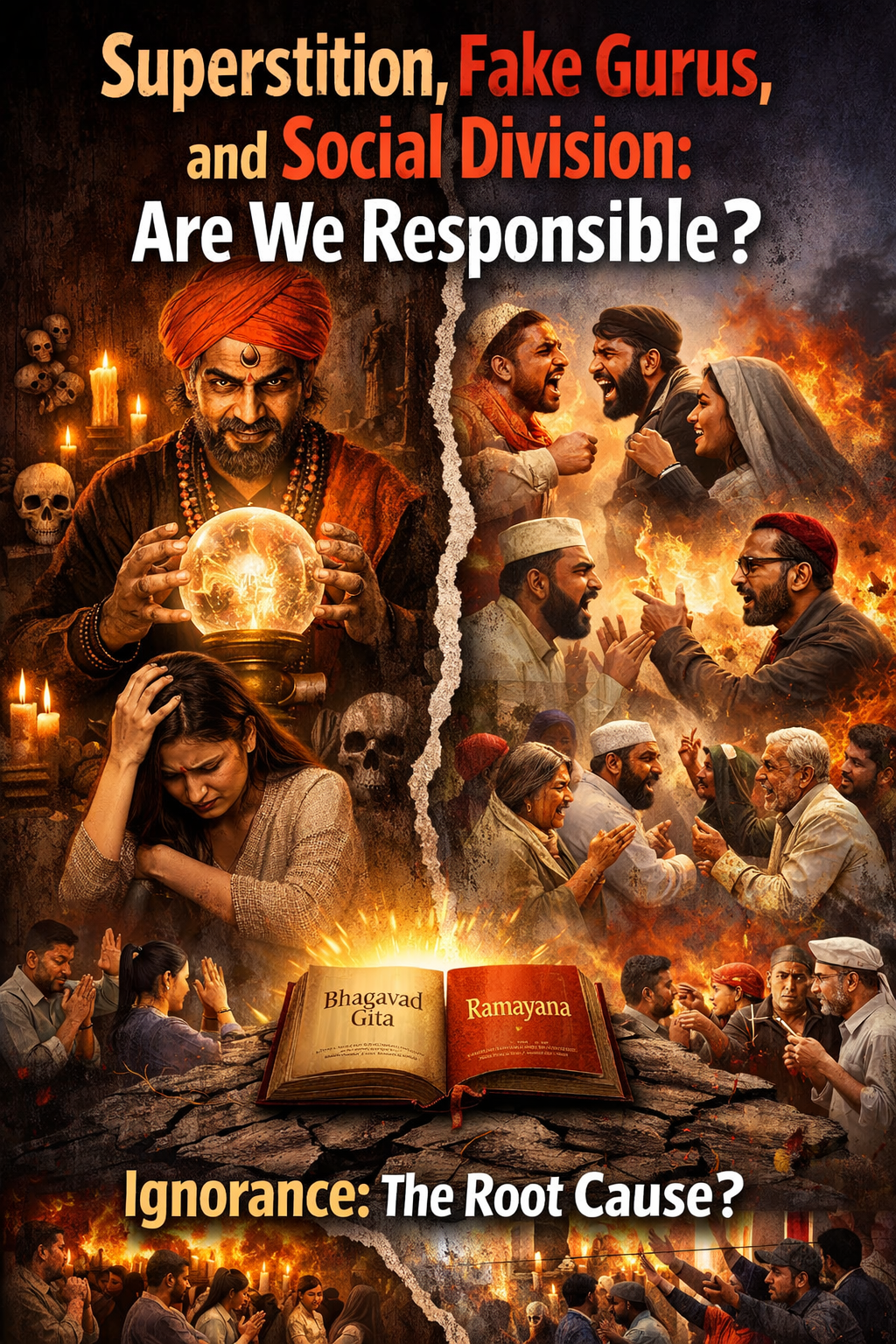
In today’s world, we are living in a strange and concerning reality. On one side, cases of superstition, fake spiritual practices, and fraud are rapidly increasing. On the other side, society is becoming more divided in the name of religion and caste. Conflicts like Hindu–Dalit, Hindu–Muslim, Brahmin–Dalit, and Hindu–Christian tensions are growing across multiple levels. Amid all this chaos, one crucial question is often ignored: what is the root cause of all these problems?
If we look closely, the root of both these issues is the same, and that is ignorance. When a person lacks knowledge about their own religion, traditions, and values, they tend to swing between two extremes. One is blind faith, and the other is hatred. Both extremes ultimately harm the individual as well as society.
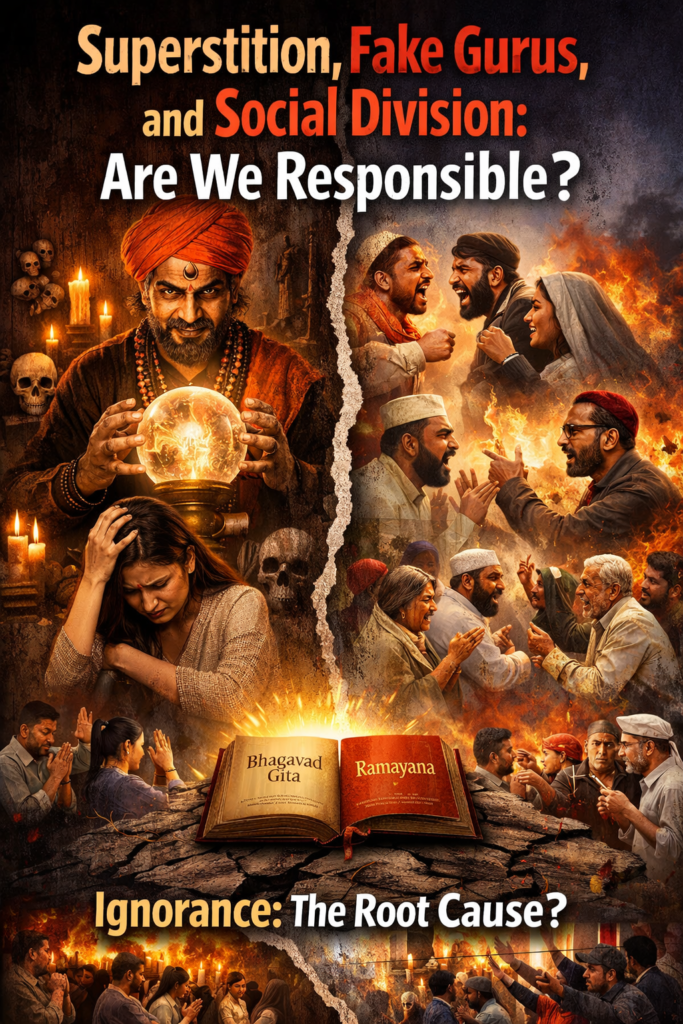
Today, we see numerous examples of fraudulent spiritual leaders and deceptive practices. Many individuals lure people by claiming miracles, offering false guarantees to solve problems, and using fear as a tool to trap them. These people do not target anyone specifically. They look for those who are emotionally weak, going through difficulties, or lacking proper knowledge.
When a person does not understand the philosophy of their own religion, they easily fall under such influence. They fail to differentiate between truth and falsehood. They start believing in miracles, abandon logic, and eventually become victims of exploitation.
At the same time, another serious issue is rising in society, which is mutual hatred. Conflicts are constantly being created in the name of Hindu–Dalit, Brahmin–Dalit, Hindu–Muslim, and Hindu–Christian identities. Different groups are being positioned against each other. Social media, politics, and public discourse often amplify these divisions further.
But here too, the root cause remains the same. When people do not truly understand their own religion, they easily believe misinformation. They accept whatever is told to them without questioning. They lack a deeper understanding of history, philosophy, and reality.
The Sanatan tradition, in its true essence, does not promote division. It teaches unity, self-awareness, and thoughtful living. Texts like Bhagavad Gita emphasize duty, action, and balance. The Upanishads guide individuals toward self-realization. Epics like Ramayana and Mahabharata reflect the complexities of human nature, conflict, and decision-making.
If these teachings are truly understood, a person will not fall into hatred or division. They will not judge others based on religion or caste because they will understand the deeper meaning of dharma.
However, today we are moving in the opposite direction. We do not have knowledge of our own traditions, yet we are quick to criticize others. We have not studied our own philosophy, yet we are ready to declare others wrong. This mindset is increasing tension in society and distancing people from each other.
Fraudulent individuals take advantage of this situation. They use fear, insecurity, and confusion within society to trap people. They often divide people further and benefit from that division.
In this context, women are particularly vulnerable. Due to emotional sensitivity, family stress, relationship issues, and mental exhaustion, many women seek emotional support. In such situations, deceptive individuals identify their vulnerability. They initially offer sympathy and support, gradually gain trust, and eventually exploit them emotionally, financially, or even psychologically.
If these women have a strong understanding of their values and spiritual foundation, they are far less likely to fall into such traps. Knowledge creates awareness, and awareness builds protection.
The solution to all these problems is simple yet powerful: knowledge. Criticizing other religions will not solve anything. Instead, understanding one’s own tradition, studying it deeply, and practicing it sincerely can make individuals stronger and more aware.
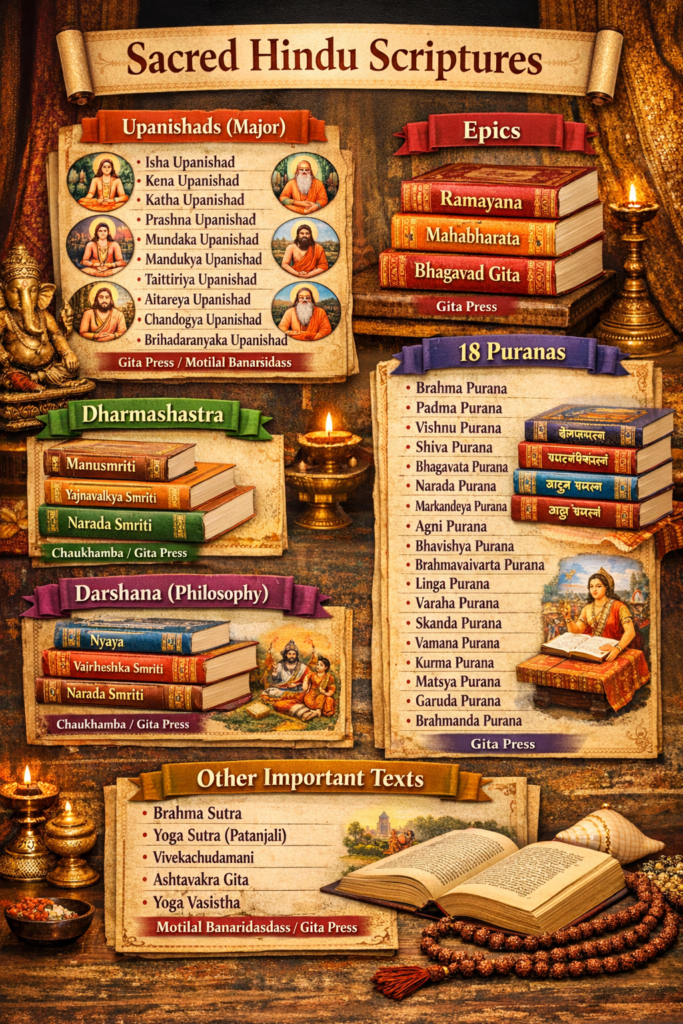
If someone mocks your religion or calls it superstition, it is not necessary to react every time. Often, such statements come from ignorance. However, at the same time, you should not remain ignorant yourself. Read, understand, reflect, and then form your own opinions.
One of the greatest strengths of the Sanatan tradition is that it does not forbid questioning. It encourages inquiry, reflection, and independent thinking. This freedom makes individuals stronger. When a person starts thinking independently, they are no longer easily influenced or manipulated.
In conclusion, superstition, fake spiritual practices, and social division all stem from ignorance. The only real solution is awareness and knowledge.
When every individual begins to understand their own beliefs and values deeply, they will neither hate others nor fall into traps set by manipulators. And that is the day when society will move toward true harmony, clarity, and unity.

Leave a Reply